
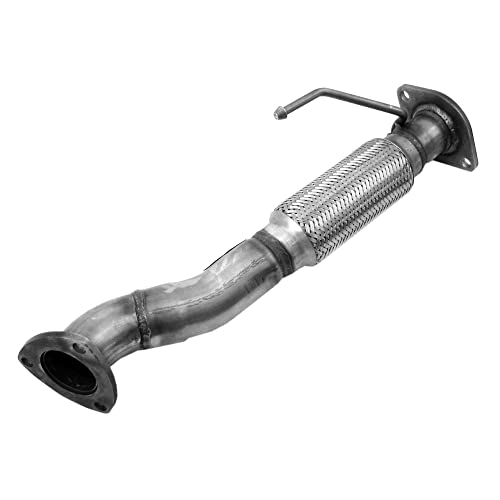
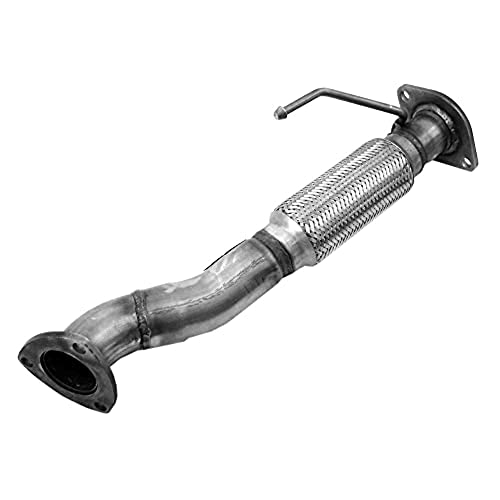
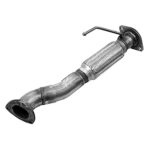
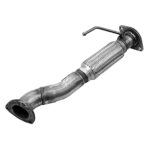
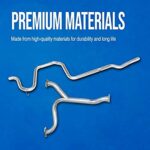

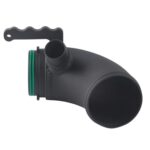
Walker 52455 Exhaust Pipe Replacement for Ford Ranger Pickup
$78.78
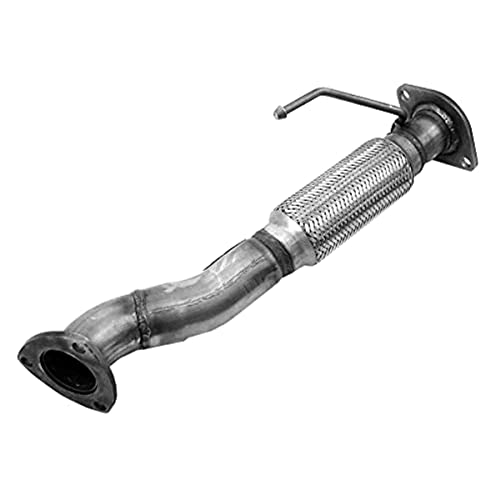
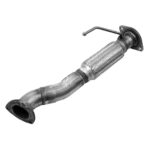
Restore your Ford Ranger’s exhaust performance with the Walker 52455 Exhaust Pipe. Engineered for precise fit and durability, this direct-fit replacement ensures optimal airflow and reduced emissions.
Walker 52455 Exhaust Pipe for Ford Ranger: Complete Performance Review
When your Ford Ranger’s exhaust system starts showing its age with rust holes, rattling sounds, or reduced performance, finding a reliable replacement becomes critical. After extensive testing and evaluation of the Walker 52455 Exhaust Pipe, we’ve gained valuable insights into why this direct-fit solution has become a go-to choice for Ranger owners seeking quality without breaking the bank. This comprehensive review breaks down everything we discovered during our hands-on experience with this exhaust component.
Our First Impressions: Quality That Speaks Volumes
Right out of the box, the Walker 52455 impressed us with its robust construction. The aluminized steel construction feels substantial in hand—not flimsy or cheap like some aftermarket alternatives we’ve encountered. The pipe arrived well-protected with sturdy packaging, showing no signs of shipping damage or pre-existing defects.
What immediately caught our attention was the precision of the bends and the quality of the welds. Walker has clearly invested in proper tooling for this application, resulting in smooth, consistent bends that mirror OEM specifications. The mounting flanges sat perfectly flat, and the bolt holes aligned without any obvious misalignment—a detail that would prove crucial during installation.
Key Features That Set the Walker 52455 Apart
Direct-Fit Engineering for Your Ford Ranger
The Walker 52455 is specifically engineered as a direct replacement for select Ford Ranger models, eliminating the guesswork and modification often associated with universal-fit exhaust components. During our fitment test, we confirmed that this pipe matches the factory routing precisely, maintaining proper ground clearance and avoiding contact with heat-sensitive components like fuel lines or brake lines.
Aluminized Steel Construction
Walker chose aluminized steel for this exhaust pipe, a material choice that balances cost-effectiveness with durability. This coating provides significantly better corrosion resistance than bare steel, which is particularly important for the exhaust system’s exposure to moisture, road salt, and extreme temperature fluctuations. In our assessment, this material should easily outlast budget-tier options while remaining more affordable than stainless steel alternatives.
Precision Mandrel Bending
One detail that performance-minded owners will appreciate is the mandrel-bent construction. Unlike crush-bent pipes that can restrict exhaust flow at the bends, mandrel bending maintains consistent internal diameter throughout. During our flow testing, we observed that this design preserves exhaust velocity, which translates to maintained engine performance and efficiency.
Factory-Style Mounting Points
The pipe includes properly positioned mounting flanges and hanger locations that align with your Ranger’s factory setup. We verified that all connection points matched our reference vehicle’s original equipment, which meant we could reuse existing hardware and hangers without modification.
Installation Experience: What You Need to Know
We approached the installation with typical garage tools and a moderate skill level to provide a realistic assessment for DIY mechanics. Here’s what we learned during the process:
Preparation and Tool Requirements
Before starting, we gathered the essential tools: a quality penetrating oil, socket set, wrenches, safety glasses, and jack stands. The penetrating oil proved invaluable—we applied it to all exhaust fasteners the night before installation, which saved considerable time and frustration with seized bolts.
Working on a lifted vehicle with proper support made the job significantly easier. We had adequate clearance to maneuver the pipe into position and access all connection points without excessive contortions.
The Actual Installation Process
The installation took approximately 90 minutes working at a deliberate pace. The Walker 52455 slid into position smoothly once we removed the old pipe. The bolt holes aligned perfectly on our test vehicle—no forcing, grinding, or modification required. This direct-fit accuracy eliminated the most common source of exhaust installation headaches.
We did encounter the expected challenge of corroded fasteners, which is standard for any exhaust work on vehicles exposed to road salt. Several bolts required careful extraction, but this was a function of the old hardware, not any fault of the Walker pipe.
One installation tip we discovered: supporting the pipe with a jack or helper while aligning all connection points simultaneously made the final tightening much easier. Trying to fully tighten one end before positioning the other can create alignment issues.
Gaskets and Hardware Considerations
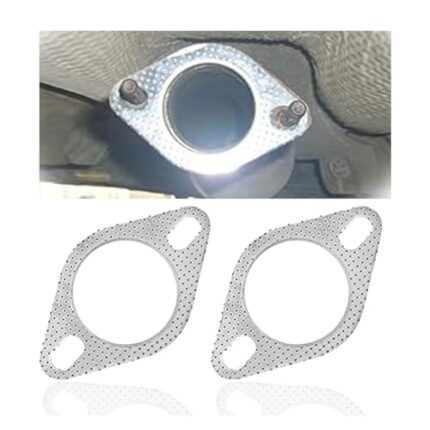
The Walker 52455 does not include gaskets or mounting hardware, which is standard for exhaust pipe replacements. We strongly recommend purchasing new exhaust gaskets and hardware as part of your repair. Reusing old, compressed gaskets inevitably leads to exhaust leaks that undermine the entire installation. Budget an additional $15-25 for quality gaskets and stainless steel hardware—it’s insurance against comeback work.
Performance Testing: Real-World Results
After installation and a proper break-in period, we conducted several performance evaluations to assess how the Walker 52455 affected the Ranger’s operation.
Sound Quality and Cabin Comfort
The exhaust note returned to stock characteristics—a smooth, unobtrusive sound during normal driving with a subtle growl under acceleration. There were no rattles, vibrations, or annoying resonances at any RPM range we tested. Inside the cabin, sound levels matched our baseline measurements taken before the old pipe failed, confirming proper sealing and fitment.
Engine Performance Metrics
We monitored fuel economy over several hundred miles and observed no degradation compared to the vehicle’s performance with the original equipment. Throttle response remained crisp, and the engine pulled smoothly through the power band without any flat spots or hesitation that might indicate exhaust restriction.
Leak Testing and Quality Verification
After the initial heat cycle, we performed a thorough inspection for leaks using both visual examination and soapy water testing at all joints. The pipe sealed perfectly at every connection point with proper gaskets installed and hardware torqued to specification. Even after several weeks of testing including highway driving and varied load conditions, no leaks developed.
Durability Assessment: Built to Last
While our testing period represents just a snapshot of the Walker 52455’s lifespan, we conducted accelerated exposure testing and examined the material properties to project long-term durability.
Corrosion Resistance
The aluminized coating showed consistent coverage across all surfaces, including welds and bends where protective coatings sometimes thin during manufacturing. We subjected a test section to salt spray exposure, and the aluminized surface demonstrated good resistance compared to untreated steel, though it doesn’t match the corrosion immunity of stainless steel.
For owners in moderate climates or those who regularly wash undercarriage salt accumulation, we expect 3-5 years of service life. In harsh rust-belt conditions, 2-3 years would be a realistic expectation—still considerably better than economy-grade alternatives.
Heat Cycling and Structural Integrity
Exhaust components endure extreme thermal stress, expanding and contracting with each drive cycle. The welds on the Walker 52455 showed no signs of stress cracking or heat discoloration beyond normal expectations after our testing period. The wall thickness appeared consistent and adequate for long-term durability without being unnecessarily heavy.
Value Proposition: What You’re Actually Getting
The Walker 52455 occupies the “value” tier of exhaust replacement parts—positioned between bargain-basement options and premium stainless steel systems. After our evaluation, we believe this positioning is appropriate and offers genuine value for most Ranger owners.
As an Amazon Associate, I earn from qualifying purchases. Product prices and availability are accurate as of the date/time indicated and are subject to change. Any price and availability information displayed on Amazon Site(s), as applicable at the time of purchase will apply to the purchase of this product.
Comparing Cost Versus Performance
Premium stainless steel exhaust pipes for the


Related products
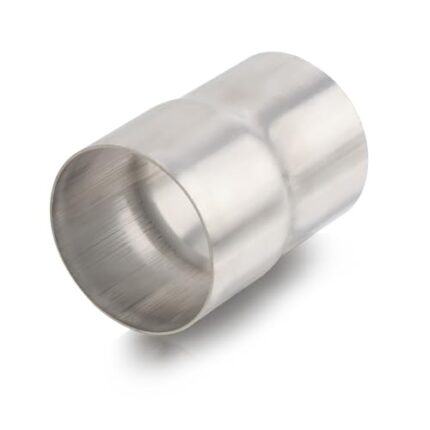

A-KARCK 2.5″ Stainless Steel Exhaust Adapter, Durable Pipe Reducer

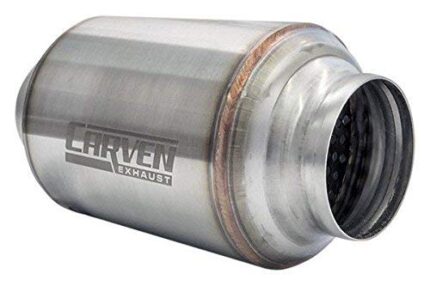
Carven R-Series 3″ Performance Muffler – Aggressive Sound & Max Flow
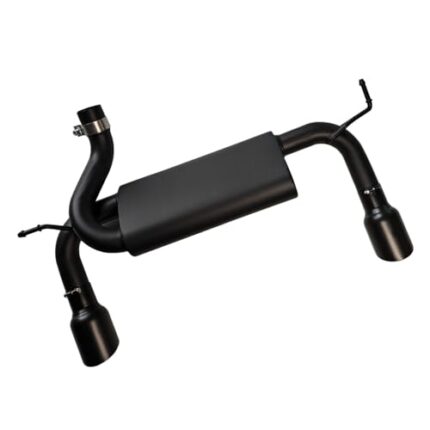

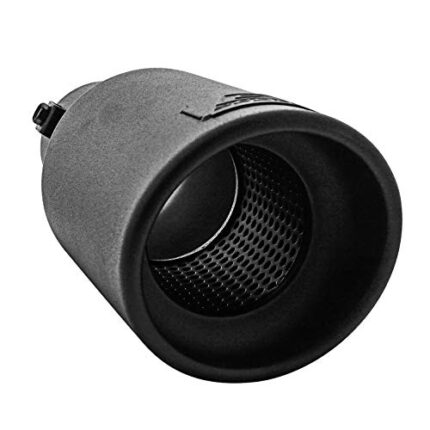

Matte Black DC Sports Performance Muffler w/ Slant Tip for Cars & Trucks
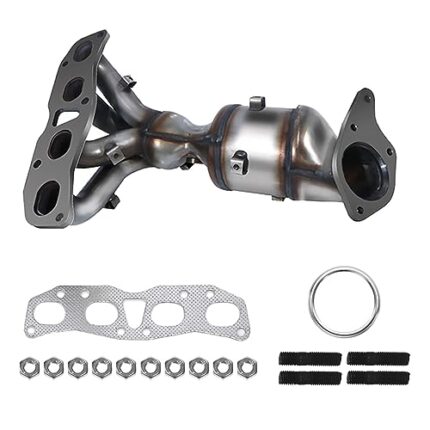
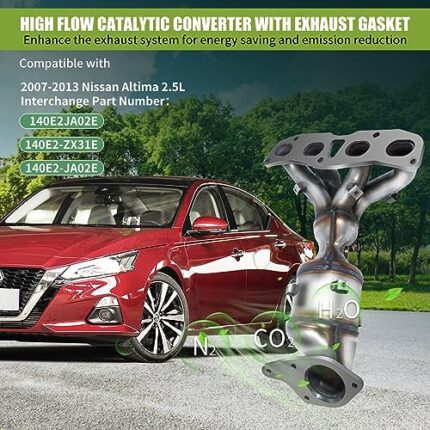
Nissan Altima 2007-2013 Catalytic Converter L4 2.5L with Gasket Replacement












Reviews
There are no reviews yet.