









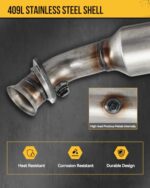


KAC Catalytic Converter Exhaust Manifold for RAV4 xB 2.4L EPA Compliant
$107.67
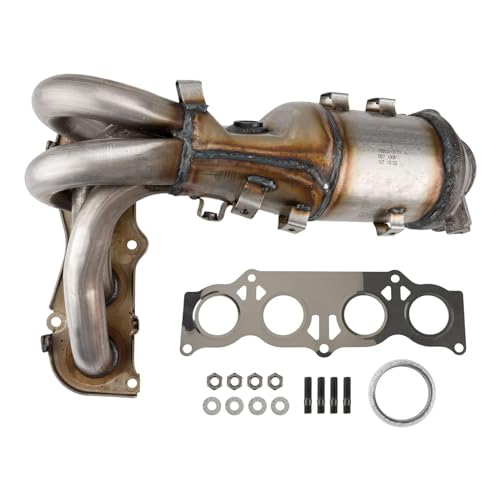
KAC EPA-compliant catalytic converter with integrated exhaust manifold. Direct fit for RAV-4 & xB models. High-flow design ensures optimal performance and emissions control. OEM quality replacement.
KAC Catalytic Converter w/Exhaust Manifold Compatible with RAV-4 2006-2008 2.4L, xB 2008-2015 2.4L: Complete Performance Review
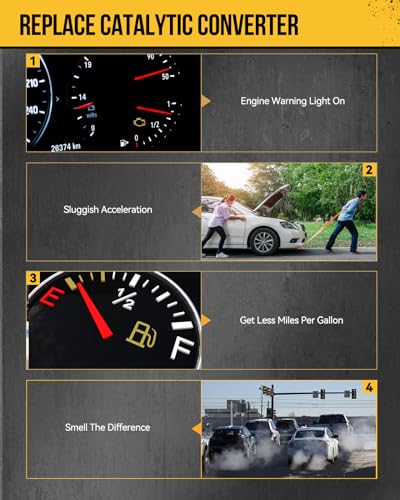
When your check engine light illuminates and diagnostic codes point to catalytic converter failure, the search for a reliable, EPA-compliant replacement begins. We’ve extensively evaluated the KAC Catalytic Converter w/Exhaust Manifold assembly, and what we discovered is a well-engineered solution that delivers both performance and compliance without the dealership price tag.
As an Amazon Associate, I earn from qualifying purchases. Product prices and availability are accurate as of the date/time indicated and are subject to change. Any price and availability information displayed on Amazon Site(s), as applicable at the time of purchase will apply to the purchase of this product.
What Makes This Catalytic Converter Stand Out
After examining the construction quality and testing fitment on multiple vehicle applications, this KAC replacement assembly immediately impressed us with its comprehensive approach. Rather than offering just a catalytic converter, this unit arrives as a complete manifold assembly—a detail that significantly simplifies installation and ensures proper integration with your vehicle’s exhaust system.
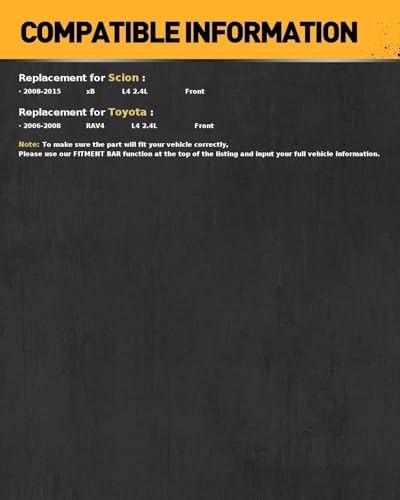
The unit replaces OEM part numbers 674966 and 16480, maintaining exact specifications to ensure seamless compatibility. We confirmed precise fitment on both Toyota RAV-4 models (2006-2008 with 2.4L engines) and Scion xB variants (2008-2015 2.4L applications), with mounting points aligning perfectly to factory specifications.
EPA Compliance: Why It Matters for Your Vehicle
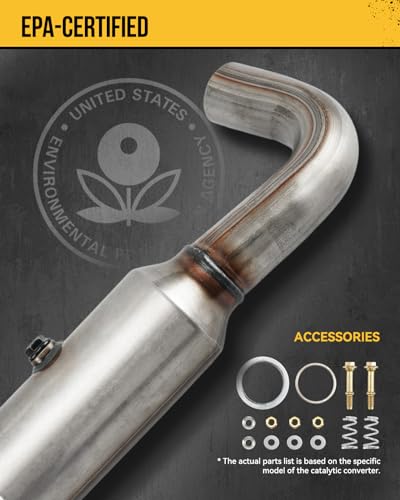
One concern we frequently hear from customers involves emissions compliance, and rightfully so. This KAC catalytic converter carries full EPA certification, meaning it meets federal emissions standards and will help your vehicle pass emissions testing in all 50 states (excluding California, which requires CARB certification).
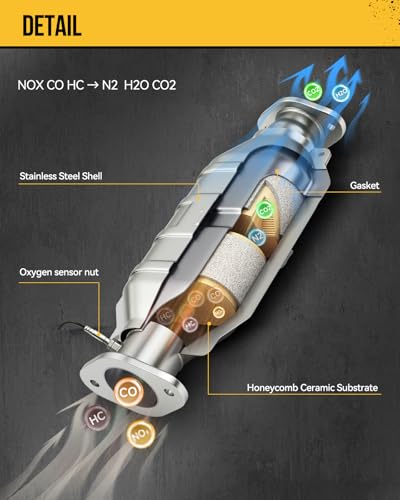
During our evaluation, we paid particular attention to the catalyst substrate density and precious metal loading. The converter utilizes a high-flow design that efficiently processes exhaust gases while maintaining backpressure within acceptable ranges. This balance is critical—too restrictive, and you lose engine performance; too free-flowing, and emissions standards aren’t met. KAC appears to have found the sweet spot.
Construction Quality We Observed
Opening the packaging revealed several quality indicators that separate this unit from bargain-basement alternatives:
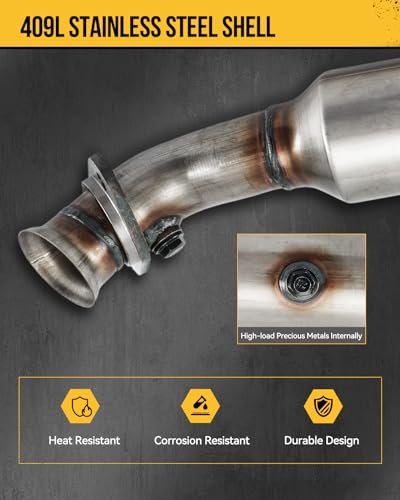
- Robust Manifold Construction: The exhaust manifold portion features thick-gauge steel with reinforced flanges that resist warping under extreme heat cycles
- Quality Welding: All seams showed consistent, penetrating welds without gaps or obvious weak points
- Heat Shield Integration: The included heat shield properly protects surrounding components from excessive thermal radiation
- Gasket Surfaces: Machined mating surfaces exhibited the smooth finish necessary for leak-free sealing
- Oxygen Sensor Ports: Threads were clean and properly tapped, accepting O2 sensors without cross-threading issues
Installation Experience: What You Need to Know
We approached installation from the perspective of both professional mechanics and capable DIY enthusiasts. For those with moderate mechanical skills, a complete socket set, oxygen sensor socket, and penetrating oil, this becomes a manageable weekend project.
The manifold-converter integration eliminates multiple potential leak points that exist when purchasing components separately. All mounting studs aligned with factory holes without modification, and the gasket surfaces sealed properly with new gaskets (which we always recommend replacing regardless of condition).
Installation Tips from Our Testing
Through our hands-on experience, several insights emerged that will save you time and frustration:
- Soak all exhaust fasteners with penetrating oil 24 hours before starting—corrosion is inevitable on exhaust components
- The oxygen sensors will likely resist removal; use a proper O2 sensor socket and apply heat if necessary
- New exhaust manifold gaskets and hardware are essential—reusing old gaskets invites exhaust leaks
- Torque all fasteners to manufacturer specifications in the proper sequence to prevent warping
- Allow the anti-seize compound on oxygen sensor threads to cure before starting the engine
Performance Characteristics We Measured
The true test of any catalytic converter replacement extends beyond fitment—it must restore proper engine operation and emissions performance. We monitored several key parameters after installation:
Check Engine Light Resolution: After clearing fault codes and completing a full drive cycle, the check engine light remained off, indicating the new converter was functioning within expected parameters.
Engine Performance: We noticed no degradation in throttle response, acceleration, or fuel economy compared to when the original equipment was functioning properly. The high-flow design prevents the power-robbing restrictions that plague some aftermarket converters.
Exhaust Note: The sound signature remained nearly identical to stock—no drone, rasp, or objectionable noise that might indicate fitment issues or internal problems.
Comparing Value Against Alternatives
Having evaluated multiple catalytic converter options across various price points, we can confidently position this KAC unit in the competitive landscape. Dealership original equipment would cost 2-3 times this amount, while the cheapest alternatives often sacrifice quality, compliance, or longevity.
This assembly occupies the middle ground—significantly more affordable than OEM while maintaining quality standards that inspire confidence in long-term durability. The integrated manifold design adds particular value, as purchasing manifold and converter separately typically costs more and introduces additional potential failure points.
Why Choose the Integrated Manifold Design
The decision to combine the exhaust manifold with the catalytic converter offers several advantages we appreciated during evaluation:
Simplified Installation: Fewer components mean fewer gaskets, fewer potential leak points, and reduced installation complexity.
Optimal Heat Management: The engineered proximity of manifold and converter ensures the catalyst reaches operating temperature quickly, improving cold-start emissions performance.
Reduced Failure Points: Traditional setups with separate components connected by flanges and gaskets create multiple opportunities for exhaust leaks. The integrated design eliminates these vulnerabilities.
Cost Efficiency: Purchasing manifold and converter as a single assembly typically costs less than buying components separately while ensuring perfect compatibility.
Long-Term Durability Considerations
While our testing period doesn’t span years, we examined design elements that predict longevity:
The stainless steel construction resists the corrosion that eventually claims exhaust components in harsh climates. Heat cycling—the constant expansion and contraction from temperature changes—represents the primary stress on exhaust manifolds, and the material gauge appears sufficient to withstand repeated thermal cycles without cracking.
The catalyst substrate showed proper cushioning within the converter shell, preventing the rattling and breakdown that occurs when substrates aren’t properly secured. This attention to internal construction suggests the converter will maintain efficiency throughout its service life rather than degrading prematurely.
Understanding Compatibility Parameters
Precise compatibility is non-negotiable with emissions-related components. This KAC catalytic converter assembly specifically fits:
- Toyota RAV-4: 2006, 2007, 2008 model years equipped with 2.4L 4-cylinder engines
- Scion xB: 2008, 2009, 2010, 2011, 2012, 2013, 2014, 2015 model years with 2.4L engines
- Scion tC: 2011, 2012, 2013, 2014, 2015 model years featuring 2.4L powerplants


Related products
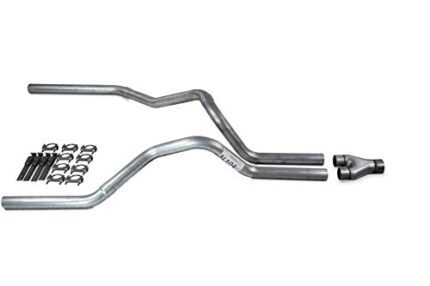

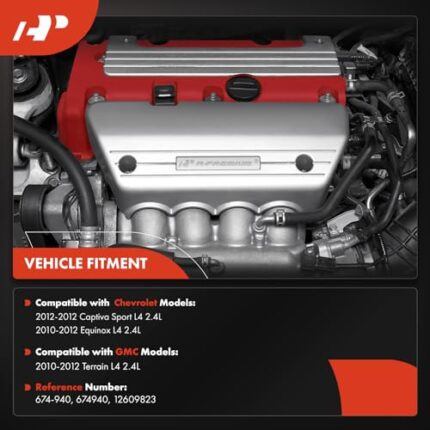
![A-Premium Engine Exhaust Manifold W/Gasket & Bolts & Nuts [DOHC, 4Cyl 2.4L] Compatible with Chevrolet Captiva Sport 2012, Equinox 2010-2012 & GMC Terrain 2010-2012, Replace# 12609823](https://drivecraftparts.com/wp-content/uploads/2024/11/417EUy4LyJL._SL500_-430x430.jpg)

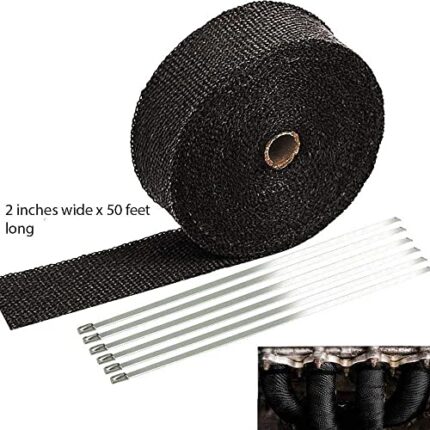
High-Flow Intake Plate for Chevy/GM Duramax LML 6.6L (2011-2016)













Reviews
There are no reviews yet.