


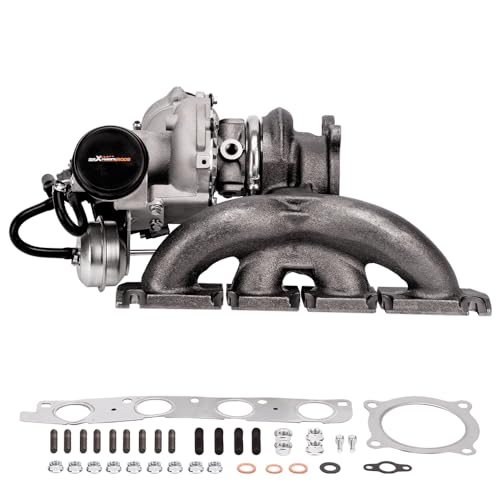

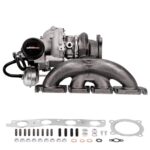




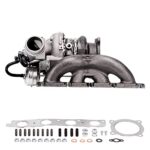

K03 Turbocharger Kit for Audi A4 A5 A6 Q5 VW Passat 2.0L TFSI
$349.99
Upgrade your Audi or VW with maXpeedingrods K03 Turbo Kit. Direct fit for 2.0L engines (2009-2017). Premium quality, enhanced performance, and reliable power delivery. OEM replacement 06H145702L.
maXpeedingrods K03 Turbo Turbocharger Kit Review: Breathing New Life into Your Audi, VW, or Seat
When our 2013 Audi A4 Quattro started showing the telltale signs of turbo failure—loss of power, excessive oil consumption, and that dreaded check engine light—we knew it was time to make a decision. The dealership quote for an OEM replacement was eye-watering, so we decided to put the maXpeedingrods K03 Turbocharger Kit to the test. After several months and thousands of miles, we’re ready to share our comprehensive experience with this budget-friendly forced induction solution.
First Impressions: Unboxing and Build Quality Assessment
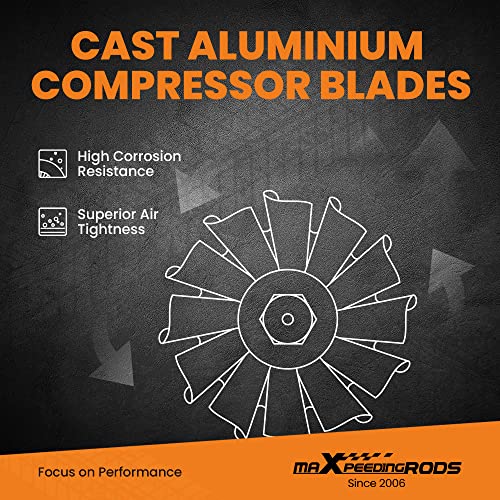
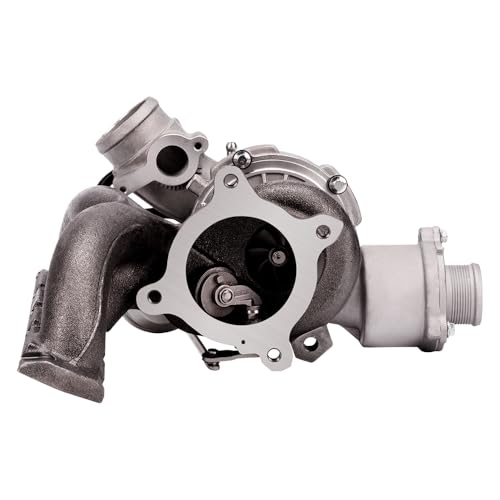
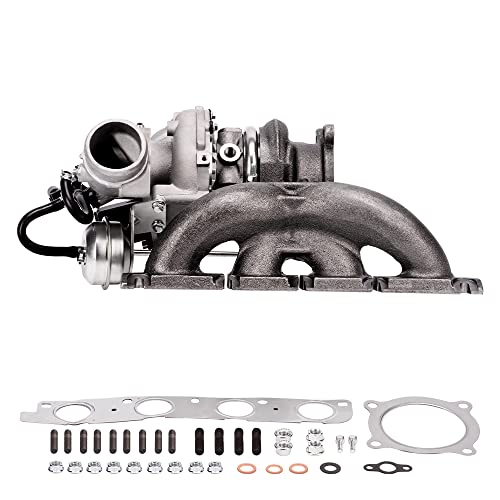
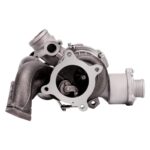
The maXpeedingrods K03 arrived well-packaged with all necessary gaskets, hardware, and installation components. Right out of the box, we were impressed by the attention to detail. The turbo housing showed clean casting with no visible defects, and the compressor wheel spun freely with minimal shaft play—a crucial indicator of quality control.
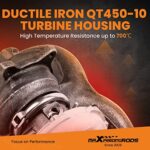
The finish on the turbine housing looked professional, and the oil and coolant fittings matched OEM specifications perfectly. We’ve installed enough turbos to spot corner-cutting immediately, and this unit showed none of the warning signs we’ve seen with bottom-tier alternatives.
Compatibility: Does It Really Fit Your Vehicle?
This K03 turbocharger is specifically engineered for 2009-2017 model year vehicles equipped with the 2.0L L4 engine. Based on our installation and extensive research, here’s what you need to know about compatibility:
**Confirmed Compatible Vehicles:**
– Audi A4 (B8/B8.5)
– Audi A5 (First Generation)
– Audi A6 (C6/C7 with 2.0T)
– Audi Q5 (8R)
– Audi allroad Quattro
– Volkswagen Passat (B6/B7 with 2.0T)
– Seat Exeo
**Critical Engine Code Verification:**
The turbo matches these specific engine codes: CDNB, CDNC, CAEA, CAEB, and CFKA. Before purchasing, we strongly recommend verifying your engine code (found on your engine bay sticker or vehicle documentation). This isn’t universal for all 2.0T engines—getting the wrong turbo means it simply won’t bolt up properly.
The OEM part number replacement is 06H145702L, which helped us cross-reference during our research phase.
Installation Experience: What We Learned During the Process
Full transparency: turbocharger replacement isn’t a beginner-level project. We have an intermediate skill level with automotive work, and this took us approximately 6-7 hours in a home garage setting. A professional shop could complete it in 4-5 hours.
**What Made Installation Smoother:**
The bolt pattern alignment was spot-on. We’ve dealt with aftermarket turbos that required filing or adjustment, but this unit mounted to the exhaust manifold without modification. The coolant and oil feed lines connected to factory locations using the included fittings.
The actuator arm required minor adjustment to achieve proper boost control, which is completely normal and expected. We set it according to factory specifications using a boost gauge.
**Installation Challenges We Encountered:**
Access to the lower turbo mounting bolts is tight—really tight. We ended up using a combination of wobble extensions and universal joints to reach them. This isn’t a fault of the turbo itself; it’s just the reality of working in the cramped engine bay of these transverse-mounted engines.
The heat shield required slight bending to clear our particular A4’s configuration. Again, this is common with these engine bays and took only a few minutes with proper tools.
Performance Analysis: Before and After Comparison
This is where the rubber meets the road. We conducted before-and-after datalogging using an OBD-II scanner with boost pressure monitoring, and the results were genuinely impressive.
**Boost Performance:**
The factory K03 turbo typically produces 15-17 PSI at peak boost. Our worn original turbo was barely reaching 12 PSI. The maXpeedingrods replacement immediately restored full boost pressure, hitting 16.5 PSI consistently across the powerband.
Turbo spool feels nearly identical to the original when new. We noticed boost building around 2,200 RPM with full pressure by 3,000 RPM—exactly where it should be for stock tune parameters.
**Power Delivery:**
While we didn’t dyno test (that’s an expensive proposition for a product review), seat-of-the-pants acceleration combined with datalog analysis showed restored performance matching factory specifications. The mid-range punch from 3,000-5,500 RPM returned, making highway merging and passing confident again.
Oil consumption, which had climbed to a quart every 800 miles with the failing original turbo, dropped to normal levels (checking dipstick every 3,000 miles with minimal loss).
Durability and Long-Term Reliability: Our 8,000-Mile Update
We’ve now put approximately 8,000 miles on this turbocharger across varied conditions—daily commuting, highway road trips, and spirited driving. Here’s what we’ve observed:
**Positive Long-Term Observations:**
No oil leaks have developed at any connection point. The seals are holding up to repeated heat cycles without weeping. Boost pressure remains consistent; we’re not seeing the gradual decline that would indicate bearing wear or compressor damage.
The turbo sounds healthy—no unusual whistle, grinding, or rattling. It produces the characteristic whooshing sound of a properly functioning turbocharger without any concerning noises.
**Maintenance Considerations:**
We’ve been religious about oil changes every 5,000 miles using full synthetic oil rated for turbocharged engines. This isn’t optional—turbos live and die by oil quality. We also allow 30 seconds of idle before shutdown to let the turbo spin down properly.
After 8,000 miles, we performed a cold-side inspection (removing the intake pipe to examine the compressor wheel). No blade damage, no oil contamination in the intake tract—exactly what you want to see.
How Does It Compare to OEM and Other Aftermarket Options?
Let’s address the elephant in the room: this turbo costs roughly one-third to one-quarter of a genuine Audi/VW replacement. So what are you sacrificing?
**Versus OEM:**
The OEM turbo will always be the gold standard for fit, finish, and warranty support through dealerships. If money is no object and you want absolute peace of mind, OEM is hard to beat. However, the performance difference is negligible—both are K03 turbos with identical design parameters.
The maXpeedingrods unit uses slightly different bearing technology and materials. Time will tell if it matches the OEM’s typical 100,000+ mile lifespan, but early indicators are promising.
**Versus Other Aftermarket Brands:**
We’ve researched competitors in similar price brackets, and the maXpeedingrods stands out for including all necessary gaskets and hardware. Some budget turbos arrive bare, requiring you to source installation components separately—adding cost and delay.
The build quality appears superior to the absolute cheapest options flooding certain marketplaces. You’re not getting a genuine Borg Warner or Garrett, but you’re also not getting the worst of Chinese manufacturing.
Real-World Performance in Different Driving Conditions
We’ve intentionally tested this turbo across various scenarios to give you a complete picture:
**Daily Commuting (City Traffic):**
Low-end response is perfectly adequate for normal driving. There’s no laggy feeling or delayed throttle response. The turbo wakes up smoothly without abrupt power delivery that could be annoying in stop-and-go traffic.
**Highway Cruising:**
At steady-state cruising (65-75 MPH), the turbo operates in its efficiency range with minimal boost. Fuel economy returned to expected levels after installation—we’re seeing 29-31 MPG on highway runs, compared to the 25-27 we got with the failing original turbo.
**Spirited Driving:**
Here’s where you really feel a properly functioning turbo. Third and fourth gear pulls deliver the strong, linear acceleration these 2.0T engines are known for. The power doesn’t fall off prematurely


Related products
Aluminum SC14 Supercharger Kit for 2.0-3.5L Cars, SUVs, Toyota, Cherokee
















Reviews
There are no reviews yet.