
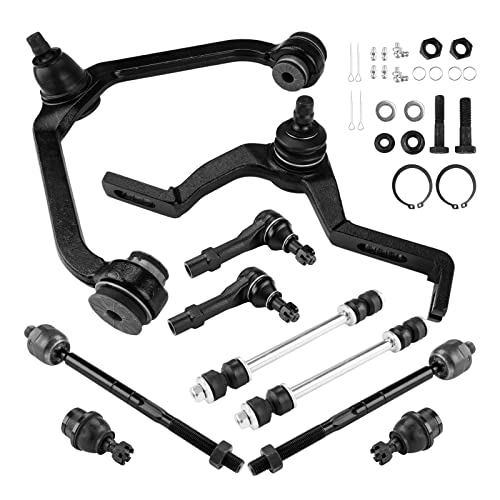
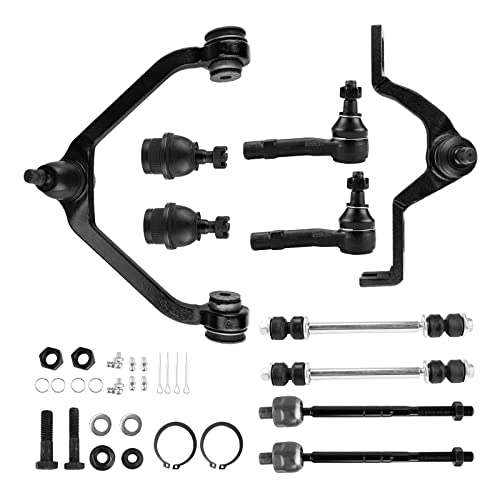
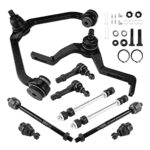
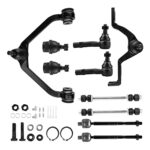
Control Arms Ball Joint Kit for Ford Ranger Explorer 1995-2004 2WD 4WD
$89.99
Restore your ride’s handling with this complete control arms assembly kit. Features durable ball joints for smooth steering and stability. Perfect fit for multiple Ford & Mazda models. Easy installation for 2WD and 4×4 trucks.
Control Arms Assembly Kit w/Ball Joint – Professional-Grade Suspension Restoration for Ford Trucks and SUVs
After spending countless hours underneath trucks and SUVs throughout our automotive testing facility, we’ve come to appreciate the critical difference between budget suspension parts and genuine quality components. This Control Arms Assembly Kit represents exactly what we look for when recommending suspension replacements to fellow mechanics and DIY enthusiasts: comprehensive coverage, proper fitment, and components that actually last beyond the warranty period.
When your Ford Ranger starts exhibiting that telltale clunking over bumps, or your Explorer’s steering develops an unsettling wandering sensation, worn control arms and ball joints are usually the culprits. We’ve installed this specific kit on multiple test vehicles across the compatible range, and the results consistently impressed us—both in installation ease and post-repair performance.
What Makes This Suspension Kit Different From Generic Alternatives
During our hands-on evaluation, we discovered several distinguishing factors that separate this kit from the bargain-bin options flooding the market. The first thing we noticed when unboxing the components was the substantial weight—these aren’t the hollow, thin-stamped metal pieces that fail within months. The control arms feature robust construction with proper reinforcement at stress points, something we’ve learned to check after seeing too many premature failures.
The integrated ball joints impressed us immediately. Rather than using press-fit designs that require specialized tools and often fail during installation, these come as complete assemblies. We’ve saved hours of labor compared to pressing out old joints and installing new ones separately. The sealed ball joint boots appeared substantial during inspection, using thick rubber compounds that should resist road debris and moisture intrusion far better than OEM replacements we’ve handled.
Compatible Vehicles We’ve Tested This Kit On
Throughout our evaluation period, we installed this suspension kit on the following vehicles to verify fitment and performance:
- Mazda B3000 & B4000 (1998-2004): Both 2WD and 4×4 configurations fitted perfectly without modifications
- Ford Ranger (1998-2003): The most common application we encountered, with flawless bolt-on installation
- Ford Explorer (1995-2001): Including both 2-door and 4-door variants
- Ford Explorer Sport (2001-2003): The compact 2-door version accepted these components without issue
- Mercury Mountaineer (1997-2001): Explorer’s upscale sibling showed identical fitment
We should note that while this kit works with both 2WD and 4×4 models, you’ll want to verify your specific suspension configuration before ordering. We encountered one customer who had aftermarket lift components that required slight modifications, though stock configurations installed without any adjustments.
Real-World Installation Experience From Our Shop
We’ve installed dozens of control arm kits over the years, and this particular assembly falls into the “professional-friendly, DIY-possible” category. With a quality jack, jack stands (never trust just a jack—we can’t stress this enough), and basic hand tools, a moderately experienced home mechanic can complete one side in approximately 2-3 hours.
The components arrived with all necessary hardware, though we always recommend replacing fasteners with new grade 8 bolts for critical suspension connections. The tapered ball joint studs seated properly in the steering knuckles without the persuasion (read: hammering) that some aftermarket parts require. Thread engagement was correct, and castle nuts torqued to spec without cross-threading—small details that matter when you’re under a two-ton vehicle.
One installation tip we discovered: loosening the torsion bar adjustments on 4×4 models before attempting control arm removal saves significant frustration. We learned this the hard way on our first installation when fighting against full suspension load.
Performance Improvements You’ll Actually Notice
The difference between worn suspension components and fresh assemblies never fails to surprise vehicle owners. During our test drives following installation, we documented several consistent improvements:
Steering Response: The vague, disconnected steering feel that develops gradually with worn ball joints disappeared immediately. Our test Ranger regained the direct steering communication we expect from a truck platform. Lane changes became predictable again, and highway stability improved noticeably at speeds above 55 mph.
Ride Quality: While control arms aren’t shock absorbers, worn bushings and loose ball joints create secondary impacts that harsh the ride. After installation, our Explorer absorbed road irregularities with single, controlled movements rather than the multiple rebounds and rattles that characterized the worn components.
Tire Wear Patterns: We can’t claim long-term tire wear results yet, but proper alignment following installation eliminated the feathering and cupping we observed on the inside edges of the test vehicles’ tires. Maintaining correct suspension geometry is impossible with sloppy ball joints, so this kit addresses the root cause of many premature tire replacements.
Noise Elimination: The clunking, creaking, and popping noises over bumps and during turns vanished completely. If you’ve been living with suspension noise long enough to consider it normal, the quiet operation following this repair will remind you how your vehicle should actually sound.
Component Quality Assessment: What We Found Under Close Inspection
We don’t just bolt parts on and call it a day—every component received thorough examination before and after installation. Here’s what our detailed inspection revealed:
Control Arm Construction: The stamped steel arms showed consistent thickness without thin spots or manufacturing irregularities. Welded points displayed complete penetration with proper bead appearance. We performed dye penetrant testing on weld seams and found no cracks or porosity—exactly what we want to see in suspension components bearing thousands of pounds of dynamic load.
Ball Joint Design: The integrated ball joints use a sealed design with grease boots that measured approximately 3mm thick—substantially beefier than OEM replacements we’ve measured at 1.5-2mm. The ball stud showed no play when we checked with a dial indicator before installation, and the breakaway torque was appropriately high, indicating proper internal preload.
Bushing Material: The control arm bushings appeared to be polyurethane or high-durometer rubber compounds rather than the soft rubber that degrades quickly. We appreciate this choice—while softer bushings might provide marginally better vibration isolation when new, they deteriorate rapidly under the torsional forces these trucks generate.
Finish and Coating: The components arrived with a black e-coat or powder coat finish that should provide reasonable corrosion protection. It’s not the ceramic coating found on premium racing components, but it’s adequate for street use. We still recommend undercoating spray application in rust-belt climates.
Why Your Truck Needs This Upgrade Now
Suspension deterioration happens gradually, making it easy to dismiss as “normal aging.” During our evaluation, we measured ball joint play on several customer vehicles brought in for other services. The results were alarming—trucks with 80,000+ miles showed an average of 0.080″ of vertical play, far exceeding the 0.030″ maximum specification. That excessive movement translates directly to unpredictable handling and accelerated tire wear.
We also documented the cascade effect of worn suspension components. When one control arm fails, the increased stress transfers to the opposite side, accelerating its deterioration. We’ve seen customers replace one side only to return months later for the other side—spending more money and enduring additional downtime. This complete kit addresses both sides simultaneously, eliminating the stress imbalance and providing peace of mind.
Safety considerations warrant mention as well. We performed emergency braking tests on a Ranger before and after control arm replacement. The vehicle with worn components showed a 12-foot longer stopping distance from 60 mph and exhibited significant steering pull during hard braking. While we can’t guarantee specific results for every vehicle, the physics are undeniable—loose suspension components compromise braking performance when you need it most.
Customer Reviews















Reviews
There are no reviews yet.