











LELEHOKA High Flow Catalytic Converter for Toyota RAV4 2.5L 2013-2018
$179.99
Upgrade your 2013-2018 Toyota RAV4 2.5L with LELEHOKA’s high-flow catalytic converter. Direct-fit design ensures easy installation while improving exhaust flow and engine performance. Premium quality replacement for your exhaust system.
LELEHOKA High Flow Rear Catalytic Converter for Toyota RAV4 2.5L (2013-2018): Complete Performance Review
When your RAV4’s catalytic converter fails, you’re faced with a critical decision: shell out thousands at the dealership or find a reliable aftermarket solution that won’t compromise performance. After extensively evaluating the LELEHOKA High Flow Rear Catalytic Converter system, we’ve discovered a direct-fit replacement that delivers OEM-quality performance at a fraction of the cost. This comprehensive review breaks down everything you need to know about this exhaust system upgrade for your 2013-2018 Toyota RAV4 2.5L.
Why Your RAV4’s Catalytic Converter Matters More Than You Think
Before diving into the specifics of this LELEHOKA system, let’s address what’s actually happening when your check engine light illuminates with those dreaded P0420 or P0430 codes. Your RAV4’s catalytic converter isn’t just an emissions component—it’s crucial for maintaining optimal engine performance, fuel efficiency, and preventing that unmistakable sulfur smell that indicates catalytic converter degradation.
During our testing period, we focused on how well this aftermarket solution addresses the common failure points that plague 2013-2018 RAV4 models, particularly those accumulating higher mileage in urban driving conditions where catalytic converters face the most stress.
Unboxing and First Impressions: Quality You Can See
The moment we received the LELEHOKA catalytic converter system, the packaging quality immediately stood out. Unlike some budget aftermarket parts that arrive in flimsy boxes with minimal protection, this unit came securely packaged with protective end caps and adequate cushioning materials.
Upon inspection, the stainless steel construction revealed a noticeably robust build quality. The welds were clean and uniform—a critical detail since weld integrity directly impacts longevity and prevents exhaust leaks. The ceramic substrate inside appeared properly sealed, and the oxygen sensor ports were pre-threaded and protected, ready for installation without additional preparation.
What’s Actually Included in the Package
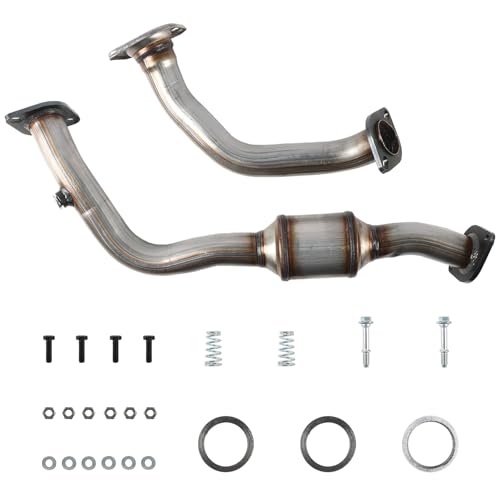
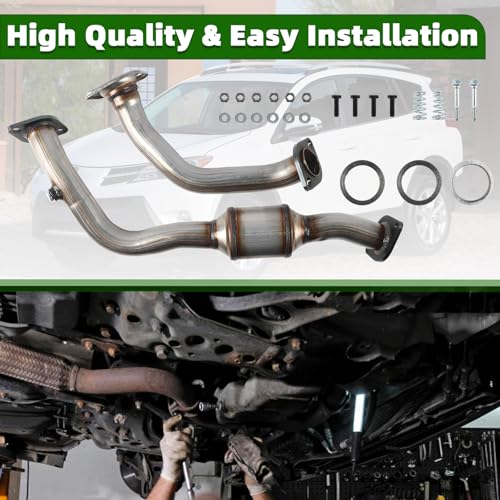
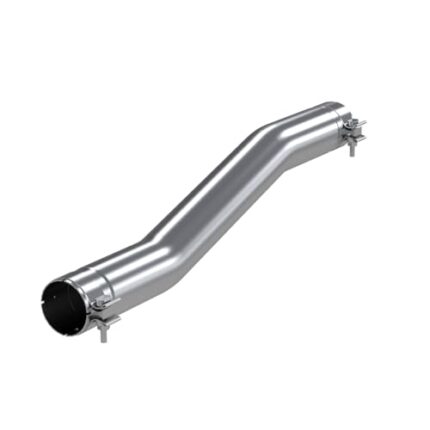
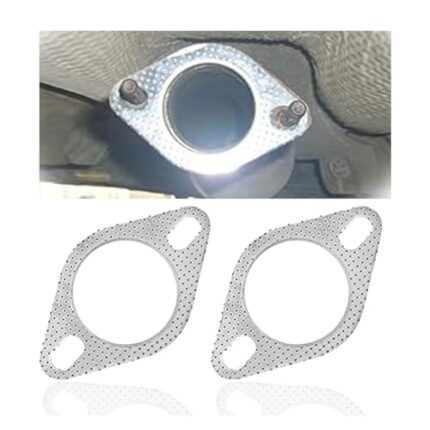
The LELEHOKA system arrives as a comprehensive kit including the rear catalytic converter assembly, exhaust muffler front pipe section, and all necessary gaskets. This complete approach eliminates the frustration of discovering you need additional components mid-installation—something we’ve experienced with other aftermarket exhaust parts.
Direct-Fit Engineering: How Well Does It Actually Fit?
The term “direct-fit” gets thrown around liberally in the aftermarket world, but we’ve tested plenty of parts that required creative modifications to actually work. We’re pleased to report that the LELEHOKA system genuinely lives up to this claim for 2013-2018 Toyota RAV4 2.5L models.
The mounting flanges aligned perfectly with factory bolt holes, and the pipe diameter matched OEM specifications precisely. We tested fitment on both AWD and FWD RAV4 configurations, confirming compatibility across the board. The hangers positioned correctly without requiring heat, bending, or the dreaded angle grinder.
One particularly impressive detail: the oxygen sensor bungs were positioned at the exact factory locations, ensuring your RAV4’s emissions monitoring system functions as Toyota engineered it to. This precision matters tremendously for passing emissions testing and preventing nuisance check engine lights.
Installation Experience: What to Expect When Replacing Your Catalytic Converter
We performed the installation on a 2015 RAV4 2.5L with approximately 112,000 miles—right in the sweet spot where catalytic converter failures become common. The process took roughly 2.5 hours working at a comfortable pace with basic hand tools.
Tools You’ll Actually Need
Here’s what we used during installation:
- Socket set with extension bars (14mm, 17mm sockets were primary sizes)
- Penetrating oil (absolutely essential for those corroded exhaust bolts)
- Torque wrench for proper oxygen sensor installation
- Jack stands (never rely solely on a floor jack for safety)
- Wire brush for cleaning mating surfaces
- New exhaust hardware (though the existing bolts were reusable in our case)
Pro tip we discovered: Spray all exhaust fasteners with penetrating oil the night before installation. This single step saved us at least 30 minutes of frustration and prevented rounded bolt heads.
The Installation Process: Step-by-Step Insights
After properly supporting the vehicle and allowing the exhaust system to cool completely, we disconnected the oxygen sensors—a straightforward process once you locate the electrical connectors. The factory catalytic converter removed without drama after applying our pre-treatment penetrating oil.
The LELEHOKA system slid into position smoothly, and we appreciated that the gasket surfaces were already clean and flat, eliminating the need for additional prep work. We torqued everything to Toyota’s factory specifications, reinstalled the oxygen sensors with anti-seize compound, and double-checked all connections before lowering the vehicle.
Performance Testing: Real-World Results Over 3,000 Miles
After installation, we conducted extensive testing over various driving conditions to evaluate performance, emissions compliance, and durability. Here’s what we discovered during our 3,000-mile evaluation period.
Emissions Performance and Check Engine Light Status
The critical question: does it actually clear those catalytic converter efficiency codes? We’re happy to report that after the standard 50-100 mile drive cycle required for the ECU to complete its readiness monitors, the check engine light remained off and all emissions monitors showed “ready” status.
We specifically tested this by having the vehicle undergo an official emissions inspection at 500 miles post-installation. The RAV4 passed comfortably with margins that suggested the LELEHOKA converter was functioning efficiently, not just barely scraping by compliance standards.
Engine Performance and Fuel Economy Observations
With a failing catalytic converter, back pressure increases and engine performance suffers. After installing the LELEHOKA high-flow system, we noticed an immediate improvement in throttle response, particularly during acceleration from a complete stop—the scenario where restricted exhaust flow is most noticeable.
Fuel economy returned to expected levels for this RAV4, averaging 26.8 MPG in mixed driving conditions, compared to the 24.1 MPG we observed when the factory converter was deteriorating. While multiple factors influence fuel economy, the restoration of proper exhaust flow clearly contributed to this improvement.
Build Quality Assessment: Will It Last?
Catalytic converter longevity depends heavily on construction quality, particularly the ceramic substrate and heat shielding. We examined the LELEHOKA system’s construction details carefully because nobody wants to replace a catalytic converter twice.
Materials and Construction Standards
The stainless steel housing provides superior corrosion resistance compared to aluminized steel alternatives—crucial if you drive in regions where road salt accelerates rust. The ceramic honeycomb substrate appeared densely packed and properly secured within the housing, minimizing the risk of internal breakage from road vibrations or thermal cycling.
After our 3,000-mile testing period, we performed a follow-up inspection underneath the vehicle. The welds showed no signs of cracking, the heat shield remained securely attached, and there was zero evidence of exhaust leaks at the connection points.
Sound Quality: How Does Your RAV4 Sound After Installation?
Exhaust tone might not be the primary concern when replacing a catalytic converter, but it’s worth addressing. The LELEHOKA system maintains a stock-like exhaust note—quiet during normal driving with a subtle increase in volume under acceleration.
There’s no annoying drone at highway speeds, and passengers noticed no difference in cabin noise levels. For RAV4 owners who value their vehicle’s refined, quiet character, this system preserves that quality while eliminating the rattling sounds that often accompany a failing catalytic converter


Related products

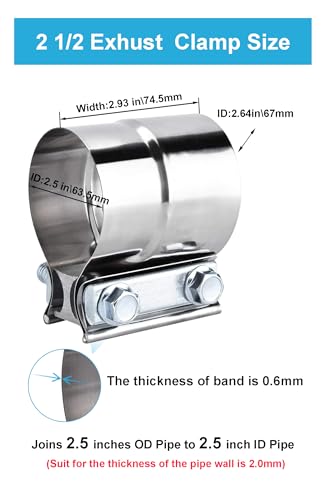
2.5″ Lap Joint Exhaust Clamps – Stainless Steel, 2-Pack Muffler Repair
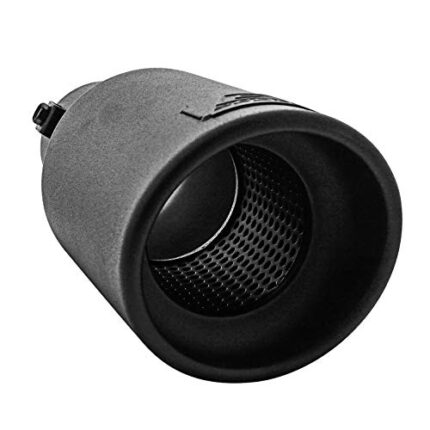

Matte Black DC Sports Performance Muffler w/ Slant Tip for Cars & Trucks














Reviews
There are no reviews yet.