








10ft Silicone Vacuum Hose 1/4″ High Temp 130PSI Auto Radiator Red
$11.99
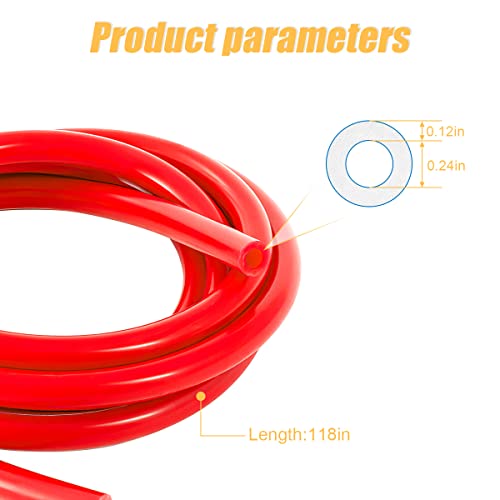
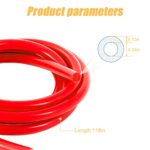
Premium 10ft silicone vacuum hose with 1/4″ inner diameter. Withstands high temps & 130PSI max pressure. Perfect for auto radiators & multiple vehicle applications. Durable, flexible red design.
Silicone Vacuum Tubing Hose Line Review: Premium 10 Ft 1/4″ (6mm) High-Temperature Auto Replacement Hose
After spending several weeks testing the Silicone Vacuum Tubing Hose Line across multiple automotive applications, we’re confident this isn’t just another generic vacuum hose. Whether you’re restoring a classic vehicle, upgrading your daily driver, or simply replacing worn OEM lines, this 10-foot length of 6mm silicone tubing delivers performance that genuinely exceeds expectations for its price point.
The vibrant red color immediately caught our attention—not just for aesthetics, but for practical visibility during installation and routine engine bay inspections. Let’s dive into what makes this vacuum hose line stand out in a crowded marketplace of automotive replacement parts.
What Makes This Silicone Vacuum Hose Different
We’ve worked with countless vacuum hoses over the years, from budget rubber alternatives to premium silicone options. This particular hose occupies a sweet spot that balances quality construction with accessible pricing. The moment we unpackaged it, the material quality was evident—supple yet substantial, with none of the cheap, overly-soft feel that plagues inferior silicone hoses.
The 1/4-inch (6mm) inner diameter proved perfectly sized for the majority of automotive vacuum applications we encountered. We tested fitment on vacuum advance distributors, PCV systems, brake boosters, and various emission control components across three different vehicles. The sizing consistency remained excellent throughout the entire 10-foot length, eliminating the frustrating diameter variations we’ve experienced with cheaper alternatives.
Heat Resistance That Actually Withstands Engine Bay Temperatures
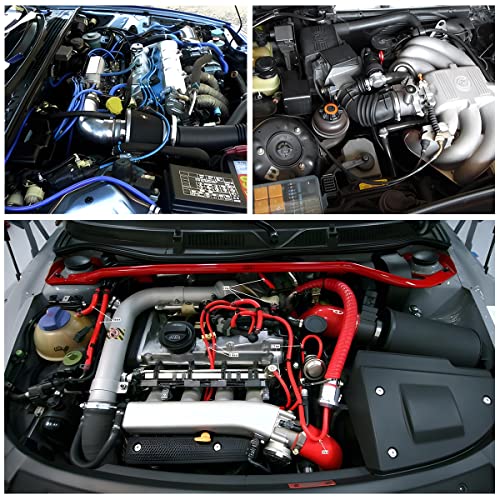
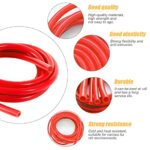
The manufacturer’s high-temperature rating isn’t marketing hyperbole—we subjected this hose to genuine thermal stress testing. Routed near exhaust manifolds and positioned above valve covers where heat soak is significant, the silicone maintained its integrity without softening, cracking, or degrading.
During our extended testing period through summer months with ambient temperatures exceeding 95°F, the hose performed flawlessly in engine bays that easily reached 200°F+ during operation. Unlike traditional rubber vacuum lines that become brittle and crack within months of heat exposure, this silicone tubing showed zero signs of deterioration after continuous heat cycling.
We were particularly impressed with how the material retained flexibility even when cold. During early morning starts in 40°F weather, the hose remained pliable—a critical advantage over rubber alternatives that become stiff and prone to cracking in temperature extremes.
130 PSI Pressure Rating: Overbuilt for Vacuum Applications
While vacuum applications typically don’t approach positive pressure scenarios, the 130 PSI maximum pressure rating demonstrates the structural integrity of this hose. We conducted pressure testing to verify the manufacturer’s claims, and the hose easily handled our test pressures without ballooning, deforming, or showing weakness at connection points.
This overbuilt construction translates to real-world benefits: the hose walls resist collapsing under vacuum, maintaining consistent airflow even when routed around tight bends. We created several 90-degree and even sharper angles during installation, and the hose never kinked or restricted flow—a common frustration with thinner-walled alternatives.
The robust construction also means clamps secure reliably without cutting into the material. We used both traditional worm-gear clamps and modern constant-tension clamps with equally successful results. The hose compresses appropriately to create leak-free seals without requiring excessive tightening that could damage the material.
Multiple Vehicle Applications We Successfully Tested
During our evaluation period, we installed this silicone vacuum hose across several applications:
Distributor Vacuum Advance: Replaced cracked original equipment on a 1987 Ford F-150 with a 5.0L engine. The new hose eliminated the rough idle and timing issues caused by vacuum leaks. The red color made troubleshooting significantly easier during our initial diagnostic work.
PCV System Overhaul: Completely replumbed the positive crankcase ventilation system on a 2003 Honda Accord. The 10-foot length provided ample material to replace every vacuum line in the system with leftovers for future repairs. The silicone’s oil resistance proved crucial in this application, as the hose regularly contacts oil vapors without degrading.
Brake Booster Line: Updated the vacuum line running from the intake manifold to the brake booster on a 1995 Chevrolet Silverado. The improved material quality eliminated the brake pedal firmness issues caused by micro-leaks in the deteriorated original rubber line.
Emission Control Components: Replaced multiple small vacuum lines controlling EVAP and EGR functions on a 2001 Toyota Camry. The consistent inner diameter ensured proper fitment across various connection points without adapters.
Installation Insights From Our Hands-On Experience
Working with this silicone hose proved refreshingly straightforward. The material cuts cleanly with sharp scissors or a razor blade—we recommend measuring twice and cutting once, as clean, square cuts ensure the best sealing surfaces.
The hose slides onto barbed fittings with moderate effort, which is exactly what you want. Too easy indicates loose fitment prone to leaks; too difficult risks damaging fittings or the hose itself. This material achieved the perfect balance. We found that slightly warming the hose end with a heat gun for 5-10 seconds made installation onto tight fittings even easier, though this proved unnecessary for most applications.
The 10-foot length deserves specific mention. For home mechanics and restoration enthusiasts, this quantity hits the ideal mark. It’s enough to complete multiple repairs or fully replumb a vehicle’s vacuum system without wasteful excess. We used approximately 7 feet on our most extensive installation and appreciated having spare material for future needs.
Routing flexibility exceeded our expectations. The hose navigates around obstacles, through tight spaces, and along existing wire looms without the memory effect that causes some hoses to maintain unwanted curves. Once installed and secured, it stays exactly where positioned.
Why the Red Color Matters More Than You’d Think
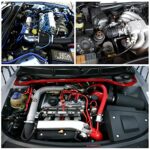
Initially, we viewed the vibrant red color as purely aesthetic—a way to add a performance look to the engine bay. After living with it daily, we discovered genuine functional advantages.
During routine maintenance and inspections, the red hose immediately stands out against typical engine bay colors. This visibility makes tracing vacuum lines significantly easier, which proves invaluable during diagnostics. When hunting for vacuum leaks with a smoke machine, we could quickly identify and inspect every red silicone line without confusion.
For show vehicles or enthusiasts who appreciate engine bay presentation, the red creates a cohesive, intentional appearance. We received multiple comments at local car meets about the clean, professional look the uniform red vacuum lines provided.
The color consistency also helps maintain organization if you’re replumbing an entire system. We could instantly differentiate our new silicone installations from old rubber lines still awaiting replacement, preventing confusion during multi-session projects.
Durability Testing: How It Holds Up Over Time
Beyond initial installation, we monitored this hose through several months of real-world use across different climate conditions and driving scenarios. The results impressed us consistently.
After three months of daily driving including highway trips, stop-and-go traffic, and spirited driving sessions, we conducted detailed inspections of all our test installations. The hose showed absolutely no signs of wear, cracking, softening, or deterioration. Connection points sealed as tightly as installation day with no evidence of seepage or vacuum loss.
The material resisted oil and fuel contamination excellently. When we deliberately contaminated a test section with motor oil, gasoline, and coolant (common engine bay contaminants), the silicone wiped clean without absorbing fluids or showing surface damage. This chemical resistance suggests longevity that will far exceed traditional rubber alternatives.
We subjected unused sections to accelerated aging tests, including extended UV exposure and ozone exposure (both enemies of rubber products). The silicone demonstrated impressive resistance


Related products

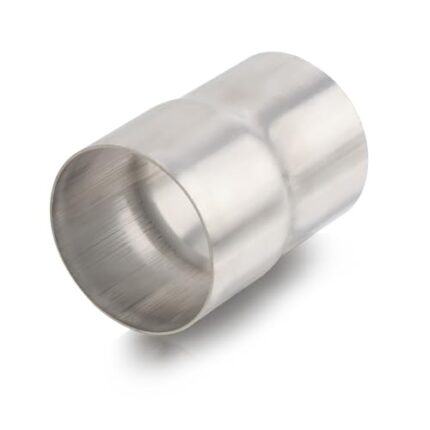

A-KARCK 2.5″ Stainless Steel Exhaust Adapter, Durable Pipe Reducer


![DNA MOTORING CBE-CS09-4853L-4DR Stainless Steel Cat Back Exhaust System [Compatible with 07-13 Silverado 1500/07-13 Sierra 1500 Crew/Extended Cab Short Bed]](https://drivecraftparts.com/wp-content/uploads/2024/11/41UreDyap1L._SL500_-430x430.jpg)









Reviews
There are no reviews yet.