


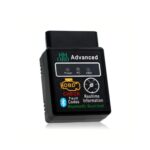
Bluetooth OBD2 Scanner for iOS Android Windows Diagnostic Tool
$5.43
Compact Bluetooth OBD2 scanner reads & clears engine codes instantly. Works wirelessly with iOS, Android & Windows via exclusive app. Easy DIY diagnostics for any vehicle. Plug, scan, save!
Leechio Bluetooth OBD2 Wireless Code Reader Review: Your Car’s Health Monitor in Your Pocket
After weeks of testing the Leechio Bluetooth OBD2 Scanner across multiple vehicles and countless diagnostic scenarios, we’ve discovered a tool that transforms the intimidating world of automotive diagnostics into something refreshingly accessible. Whether you’re a DIY mechanic looking to save on diagnostic fees or simply someone who wants to understand what that dreaded check engine light means, this compact device has genuinely impressed us with its capabilities and ease of use.
As an Amazon Associate, I earn from qualifying purchases. Product prices and availability are accurate as of the date/time indicated and are subject to change. Any price and availability information displayed on Amazon Site(s), as applicable at the time of purchase will apply to the purchase of this product.
First Impressions: Tiny Device, Big Potential
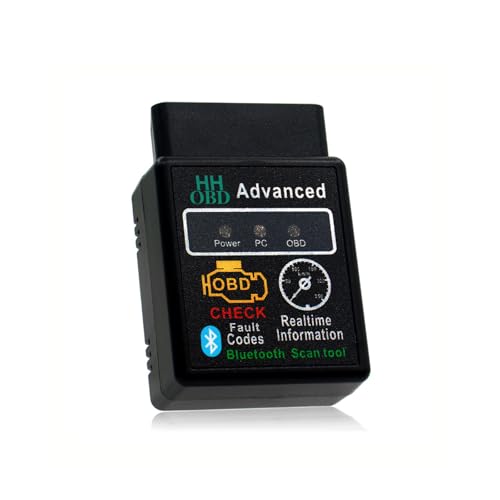
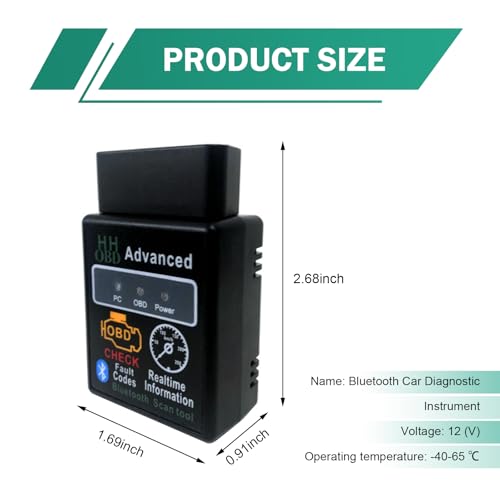
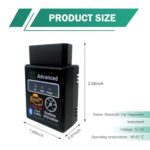
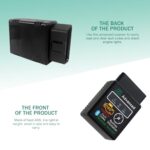
When we first unboxed the Leechio OBD2 scanner, our initial reaction was surprise at just how compact it is. Measuring barely larger than a car key fob, this miniature diagnostic tool practically disappears into your vehicle’s OBD2 port. The black finish feels professional, and the build quality immediately dispelled any concerns about cheap construction. Unlike some bulkier scanners we’ve tested that protrude awkwardly from the dashboard, the Leechio sits flush enough that you can leave it plugged in without worrying about accidentally kicking it or bumping your knee against it.
The package includes the scanner itself and a straightforward quick-start guide. There are no complicated cables, no external power requirements, and no confusing setup procedures. The device draws power directly from your vehicle’s OBD2 port, which means you’re literally just seconds away from your first diagnostic scan.
Setup Experience: Genuinely Effortless Connectivity
We’ve tested numerous Bluetooth OBD2 scanners over the years, and connectivity has historically been a pain point. Not so with the Leechio. Our setup process was remarkably smooth across three different smartphones (two Android devices and one iPhone) and a Windows laptop.
Here’s how straightforward it actually is: locate your vehicle’s OBD2 port (usually under the dashboard near the driver’s left knee), plug in the scanner, turn your ignition to the “ON” position without starting the engine, download the companion app, enable Bluetooth on your device, and connect. The entire process took us less than three minutes on our first attempt.
The Bluetooth connection established quickly every time, typically within 5-10 seconds. We experienced zero pairing failures during our testing period, which unfortunately isn’t something we can say about competing devices we’ve evaluated. The connection remained stable throughout extended diagnostic sessions, even when we moved around the vehicle with our smartphone.
Cross-Platform Compatibility That Actually Works
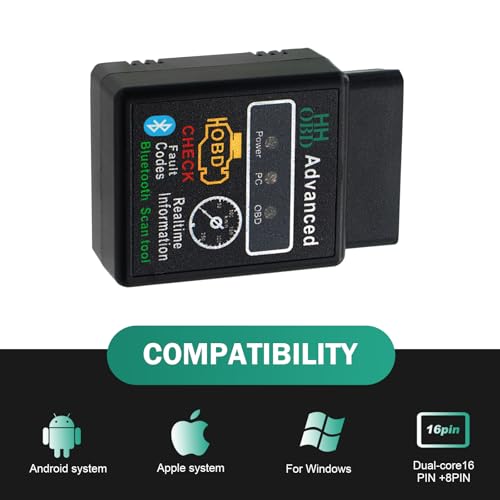
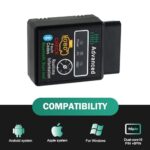
Leechio promises compatibility with iOS, Android, and Windows devices, and we’re pleased to report this isn’t marketing hyperbole. We successfully connected the scanner to an iPhone 12, Samsung Galaxy S21, Google Pixel 6, and a Windows 10 laptop. Each platform offered a smooth experience with the dedicated app, though we noticed the mobile apps felt slightly more polished than the Windows version.
The Companion App: Where the Magic Happens
A Bluetooth OBD2 scanner is only as good as its accompanying software, and the exclusive Leechio app proves surprisingly capable. The interface strikes a nice balance between providing comprehensive data and remaining accessible to beginners. When we first launched the app, we appreciated that it didn’t assault us with overwhelming technical jargon or confusing navigation menus.
The home screen presents clear, large buttons for primary functions: Read Codes, Clear Codes, Live Data, and Vehicle Information. During our testing, we found ourselves most frequently using the Read Codes function, which displays both generic and manufacturer-specific trouble codes. What impressed us most was the app’s built-in code library that provides plain-English explanations of what each code means, potential causes, and severity ratings.
For example, when we deliberately triggered a P0420 code (catalyst system efficiency below threshold), the app didn’t just display the alphanumeric code. It explained that this typically indicates a failing catalytic converter, listed possible causes including oxygen sensor failure or exhaust leaks, and even suggested that while drivable short-term, we should address it soon to prevent further damage.
Live Data Monitoring: Real-Time Vehicle Insights
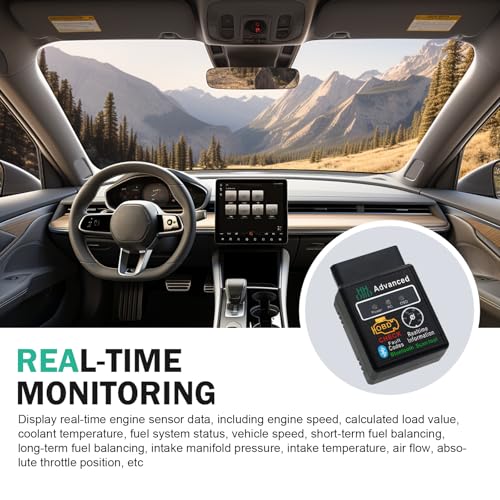
One feature that exceeded our expectations is the live data monitoring capability. The app displays real-time information from dozens of sensors including engine RPM, coolant temperature, vehicle speed, throttle position, oxygen sensor readings, fuel trim values, and much more. We found this particularly valuable for diagnosing intermittent issues that don’t necessarily trigger stored codes.
During one test session, we used the live data function to monitor fuel trim percentages while investigating a rough idle condition. Watching the values fluctuate in real-time helped us identify an intake vacuum leak that wouldn’t have been obvious from stored codes alone. You can customize which parameters display on screen and even log data for later analysis, though we found the logging feature somewhat basic compared to professional-grade scan tools.
Diagnostic Capabilities: What It Can (and Can’t) Do
Let’s be clear about what you’re getting here. The Leechio OBD2 scanner excels at reading and clearing standard OBD2 codes that relate to emissions and powertrain systems. During our testing across a 2015 Honda Civic, 2018 Ford F-150, and 2020 Toyota Camry, it successfully identified engine codes, transmission codes, and emissions system issues without hesitation.
The scanner reads both generic codes (those standardized across all vehicles) and many manufacturer-specific codes. When we tested it on the Ford truck with a transmission-related code, it correctly identified and explained a Ford-specific P0741 code related to torque converter clutch solenoid performance.
Limitations Worth Knowing
However, this is an entry-to-mid-level diagnostic tool, and it has limitations. It cannot access advanced systems like airbags (SRS), anti-lock brakes (ABS), body control modules, or climate control in most vehicles. If you need comprehensive, dealership-level diagnostics across all vehicle systems, you’ll need to invest in a significantly more expensive bi-directional scan tool.
We also discovered that while the scanner works with any 1996 or newer vehicle sold in North America (when OBD2 became mandatory), some advanced features work better on newer vehicles with more comprehensive OBD2 implementations. Older vehicles from the late 1990s and early 2000s may provide less live data than newer models.
Real-World Performance: How We Actually Used It
Over our testing period, we encountered several authentic diagnostic scenarios that allowed us to evaluate the Leechio scanner’s real-world usefulness.
Scenario 1: The Mysterious Check Engine Light
The Honda Civic developed a check engine light during our test period. Rather than driving to an auto parts store for a free scan or paying a mechanic $100+ for diagnostics, we simply pulled out our phone, connected to the Leechio scanner, and had an answer in under 60 seconds. The culprit: a P0456 code indicating a very small evaporative emission system leak, likely just a loose gas cap. We tightened the cap, cleared the code, and confirmed it didn’t return after several drive cycles. Diagnostic cost: $0. Time invested: 2 minutes.
Scenario 2: Pre-Purchase Vehicle Inspection
We used the scanner when inspecting a used car for a friend considering purchase. While the seller claimed the vehicle had no issues, our quick scan revealed two stored codes that had been present but not currently triggering the check engine light. This gave our friend valuable negotiating leverage and prevented a potentially costly mistake. This single use essentially paid for the scanner several times over.
Scenario 3: Monitoring After Repairs
After replacing an oxygen sensor on the Toyota, we used the live data feature to verify the new sensor was providing correct readings. Watching the voltage fluctuate properly between rich and lean conditions gave us confidence the repair was successful


Related products
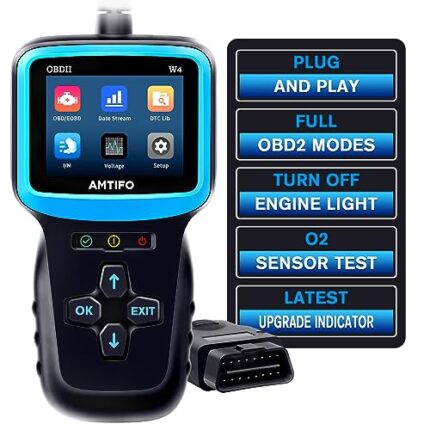

“AMTIFO OBD2 Scanner with Color Display, Code Reader, Real-Time Data”












Reviews
There are no reviews yet.