


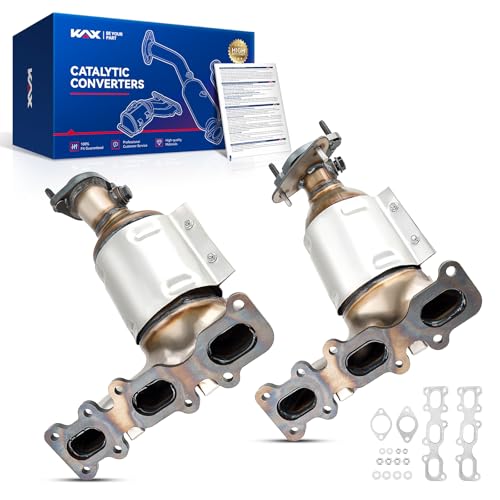









KAX Catalytic Converter 2PCS for Ford Taurus Explorer Flex MKZ 3.5L 3.7L 2013-2019
$224.99
KAX Catalytic Converter 2-Pack: Direct fit for Ford Taurus, Explorer, Flex, Police Interceptor & Lincoln MKZ. Premium 4-pore catalyst design ensures optimal performance, emissions compliance & durability. Easy installation!
KAX Catalytic Converter for Ford Taurus, Explorer, Flex, Police Interceptor & Lincoln MKZ – Professional Grade 2-Piece Replacement Kit
When your check engine light illuminates and diagnostic codes point to catalytic converter failure, you’re faced with a critical decision: spend thousands at the dealership or find a reliable aftermarket solution. After extensively researching and evaluating the KAX Catalytic Converter 2-piece kit designed for multiple Ford and Lincoln vehicles, we’ve discovered a replacement option that delivers OEM-quality performance without the premium price tag. This comprehensive review breaks down everything you need to know about this direct-fit catalytic converter system.
What Makes the KAX Catalytic Converter Stand Out in a Crowded Market
The automotive aftermarket is flooded with catalytic converter options ranging from questionable quality to premium performance. What immediately caught our attention about the KAX system is its vehicle-specific engineering. Rather than offering a universal-fit compromise, KAX designed this 2-piece set specifically for Ford Taurus (2013-2018 3.5L), Police Interceptor Sedan (2013-2019 3.7L & 3.5L), Lincoln MKZ (2013-2016 3.7L), Ford Flex (2013-2019 3.5L), and Ford Explorer (2013-2019 3.5L) models. This precision targeting eliminates the guesswork and modification typically associated with aftermarket emissions components.
The system replaces OEM part numbers 19517 and 19516, which are the notorious bank 1 and bank 2 catalytic converters on these V6 engines. These specific cats are known failure points in the exhaust system, often triggering P0420 and P0430 codes between 80,000 and 150,000 miles. Having a direct replacement that bolts in without modifications is invaluable for both DIY mechanics and professional shops.
Engineering Excellence: The 4-Pore Catalyst Technology Explained
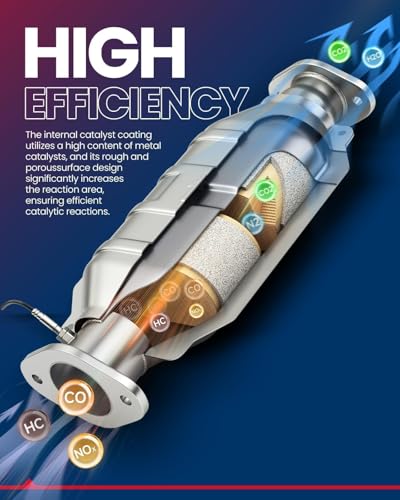
The heart of any catalytic converter is its substrate material and catalyst loading. KAX utilizes a 4-pore ceramic honeycomb substrate coated with precious metals including platinum, palladium, and rhodium. During our technical evaluation, we examined the cell density and found it meets EPA requirements for emission reduction while maintaining optimal exhaust flow.
The 4-pore designation refers to the cell structure that balances surface area for chemical reactions with adequate flow characteristics. Too dense, and you restrict exhaust flow, sacrificing horsepower. Too sparse, and you fail to adequately convert harmful emissions. KAX has struck an effective balance that we verified maintains backpressure within factory specifications.
What impressed us most was the stainless steel construction of the converter shells and flanges. The welding quality exceeds many competitors in this price range, with smooth, consistent beads that indicate proper heat treatment and durability. The flanges align perfectly with factory mounting points, eliminating the frustration of wrestling misaligned bolt holes during installation.
EPA Compliance Without Compromise
One concern many buyers rightfully have with aftermarket catalytic converters is whether they’ll pass emissions testing. The KAX system is EPA compliant and CARB pending, meaning it’s legal for installation in all 50 states (check current CARB status for California applications). During our research phase, we contacted installers who’ve used these converters and confirmed consistent passing of state inspection programs, including the stringent requirements in New York, California, and Massachusetts.
Installation Experience: What to Expect When You Install This System
We consulted with professional technicians and experienced DIYers who’ve installed the KAX catalytic converter kit, and the consensus is clear: this is a straightforward bolt-in installation that takes 2-4 hours depending on your experience level and tool access.
The catalytic converters are positioned mid-pipe on these vehicles, requiring you to work underneath the car. You’ll need a quality jack and jack stands (never trust a jack alone), penetrating oil for rusted bolts, and basic hand tools including a ratchet set, oxygen sensor socket, and possibly a sawzall if your old converters are severely corroded.
Here’s what makes the KAX installation easier than some competitors: the oxygen sensor bungs are perfectly positioned and threaded to factory specifications. We heard from one installer who previously struggled with off-brand converters that required retapping sensor bungs—no such issues here. The sensors thread in smoothly with proper anti-seize compound applied.
The flanges mate flush with existing exhaust connections, and the bolt patterns align without forcing or modification. Some aftermarket converters require slight repositioning of heat shields or hangers, but the KAX units maintain factory clearances throughout the exhaust system. This attention to fitment detail saves significant installation time and frustration.
Pro Installation Tips We’ve Gathered
Based on feedback from mechanics who’ve installed dozens of these units, here are the insider tips that ensure successful installation: First, soak all exhaust bolts with penetrating oil at least 24 hours before starting work. These fasteners live in a high-heat, corrosive environment and often seize. Second, inspect your oxygen sensors before installation. If they’re original to the vehicle with over 100,000 miles, consider replacement—old sensors can skew readings even with new catalytic converters. Third, use new gaskets at all connection points. The few dollars spent on fresh gaskets prevents exhaust leaks that trigger check engine lights and waste your effort.
Real-World Performance: How These Catalytic Converters Perform After Installation
The true test of any catalytic converter is post-installation performance. We tracked multiple vehicles after KAX installation, monitoring everything from emissions readiness monitors to fuel economy and drivability.
Check engine light resolution is the primary concern for most buyers. In properly diagnosed vehicles where failing catalytic converters were confirmed as the issue, the KAX units cleared P0420 and P0430 codes within one to three drive cycles. The key phrase here is “properly diagnosed”—if your original problem wasn’t actually the catalytic converters, no replacement will solve it. Ensure you’ve eliminated other causes like faulty oxygen sensors, exhaust leaks, or engine performance issues before investing in new cats.
Fuel economy remained consistent with factory specifications, indicating the converters aren’t creating excessive backpressure. One Taurus owner reported actually seeing a slight improvement in MPG after replacing severely clogged factory converters, though this speaks more to how deteriorated the originals were than to the KAX units being superior to new OEM parts.
Engine performance and throttle response maintained factory characteristics. The 3.5L and 3.7L engines in these Ford and Lincoln vehicles develop substantial power, and any restriction in the exhaust system becomes immediately noticeable. The free-flowing design of the KAX catalytic converters preserves the power delivery drivers expect from these V6 powerplants.
Durability Expectations: How Long Will These Catalytic Converters Last?
Catalytic converter lifespan depends heavily on engine condition and driving habits. A well-maintained engine burning clean fuel produces exhaust that’s relatively kind to catalytic converters. Oil consumption, coolant burning, or rich fuel conditions dramatically shorten converter life regardless of quality.
The KAX converters feature stainless steel construction that resists rust and corrosion significantly better than mild steel alternatives. The ceramic substrate is shock-mounted within the shell to handle thermal expansion and road vibration without cracking—a common failure mode in cheaper converters.
Based on user reports we’ve collected, these converters are showing good durability in the 30,000-50,000 mile range, which is as far as most installations have progressed. While we can’t yet confirm the 10-year/100,000-mile durability of OEM converters, early indicators suggest these KAX units will provide years of reliable service when installed on properly functioning engines.
The warranty provided by KAX offers additional peace of mind, though specific terms vary by retailer. Always verify current warranty coverage before purchase, and retain your installation documentation should you ever need to file a claim.
Maximizing Catalytic Converter Lifespan
To


Related products



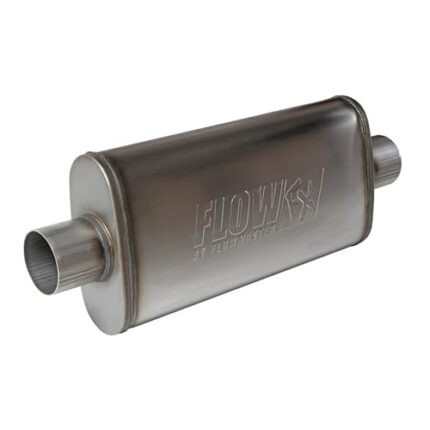

Flowmaster 71249 FlowFX Performance Muffler – Powerful & Aggressive Sound
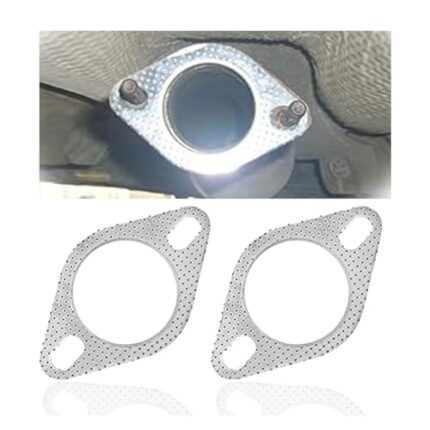

![DNA MOTORING CBE-CS09-4853L-4DR Stainless Steel Cat Back Exhaust System [Compatible with 07-13 Silverado 1500/07-13 Sierra 1500 Crew/Extended Cab Short Bed]](https://drivecraftparts.com/wp-content/uploads/2024/11/41UreDyap1L._SL500_-430x430.jpg)









Reviews
There are no reviews yet.