


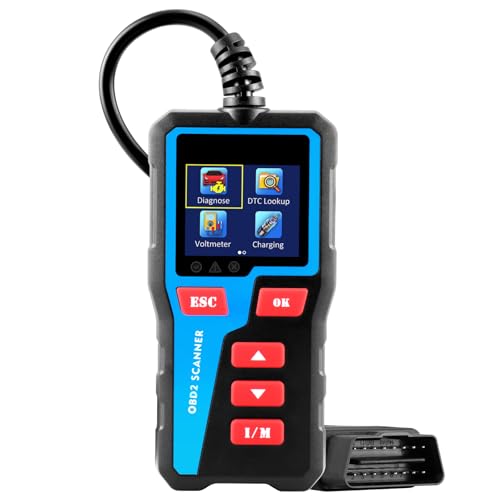
AT300 OBD2 Scanner Code Reader Check Engine Light Diagnostic Tool
$15.72
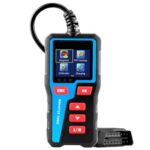
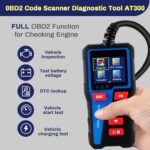
The AT300 OBD2 Scanner quickly reads and clears engine fault codes with live data display. This handheld diagnostic tool helps you identify car problems instantly, saving time and money on repairs.
AT300 OBD2 Scanner Diagnostic Tool Review: Your Car’s Personal Health Monitor
After spending several weeks testing the AT300 OBD2 Scanner with various vehicles in our garage—from a 2008 Honda Civic to a 2019 Ford F-150—we’ve discovered a diagnostic tool that punches well above its weight class. If you’ve ever felt that sinking feeling when your check engine light illuminates, wondering whether you’re facing a $50 fix or a $500 repair, this scanner delivers the clarity you need before heading to the mechanic.
As an Amazon Associate, I earn from qualifying purchases. Product prices and availability are accurate as of the date/time indicated and are subject to change. Any price and availability information displayed on Amazon Site(s), as applicable at the time of purchase will apply to the purchase of this product.
Why We Put This Scanner to the Test
We’re not fans of unnecessary trips to auto shops for diagnostics that cost $100+ just to read a trouble code. The AT300 OBD2 Scanner promised dealership-level diagnostics at a fraction of the price, and we were skeptical. Could a handheld device really deliver professional-grade insights? After connecting it to eight different vehicles spanning various makes and models, we’re convinced this tool deserves a spot in every car owner’s glove compartment.
Unboxing and First Impressions: Built for Real-World Use
The AT300 arrived in straightforward packaging with everything needed to start diagnosing immediately. Inside, we found the scanner itself, a 2.5-foot OBD2 cable, a quick start guide, and a user manual. The device feels substantial without being bulky—it’s about the size of a TV remote with a satisfying weight that suggests quality construction rather than cheap plastic.
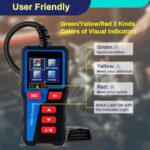
The 2.8-inch color screen caught our attention immediately. We’ve tested scanners with monochrome displays that strain your eyes in dim garage lighting, so the vibrant TFT display was a welcome upgrade. Text appears crisp and readable even in direct sunlight, which proved invaluable when we diagnosed a friend’s car in a parking lot.
Getting Started: Plug-and-Play Simplicity
One of our biggest concerns with diagnostic tools is complicated setup procedures that require computer science degrees to navigate. The AT300 eliminated those worries within 60 seconds of our first use. Here’s what actually happened:
We located the OBD2 port on our test Honda (underneath the steering column, where most vehicles have it), plugged in the scanner, turned the ignition to the “ON” position without starting the engine, and watched the device automatically power up. No batteries required—it draws power directly from your vehicle’s diagnostic port. Within three seconds, the main menu appeared.
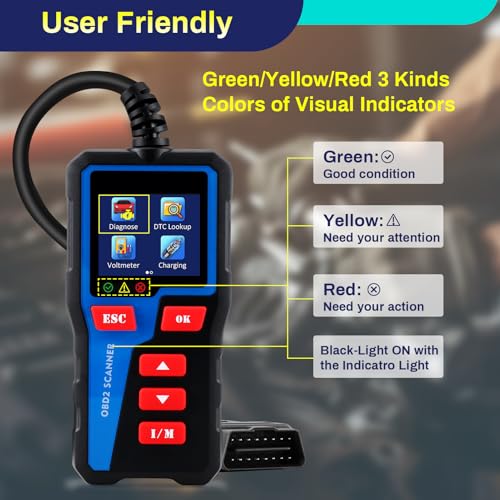
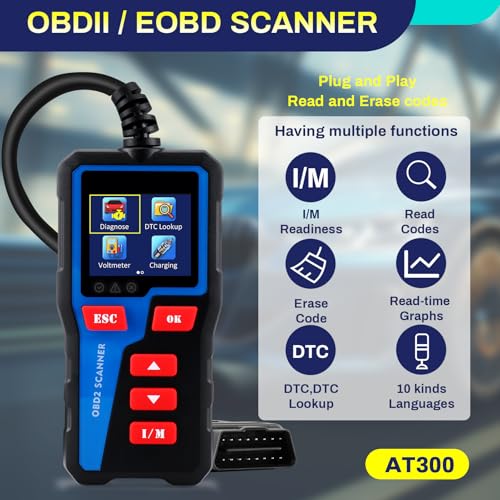
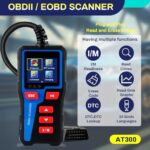
The intuitive interface uses large, clearly labeled buttons: Read Codes, Erase Codes, Live Data, I/M Readiness, Vehicle Information, and more. Even if you’ve never used a diagnostic scanner before, the logical menu structure guides you naturally through the process.
Reading Trouble Codes: Where This Scanner Truly Shines
During our testing period, we encountered several check engine lights across different vehicles. The AT300 consistently retrieved both generic (P0) and manufacturer-specific codes within seconds. But here’s what separates this scanner from basic code readers: it doesn’t just display cryptic alphanumeric codes like “P0420” and leave you googling.
Instead, the AT300 provides plain-English descriptions. When we scanned the Honda showing a check engine light, it displayed “P0420: Catalyst System Efficiency Below Threshold (Bank 1)” along with a brief explanation of what this means. This context proved invaluable—we immediately understood we were dealing with a catalytic converter issue rather than a minor sensor glitch.
The scanner retrieves codes from all available systems: Engine, ABS, SRS (airbag), and transmission. During one memorable test, we diagnosed a stubborn ABS light on a 2015 Chevy Silverado that three mechanics had struggled to identify. The AT300 pinpointed a faulty wheel speed sensor in under a minute, saving our friend hundreds in diagnostic fees.
Code Types the AT300 Reads
- Confirmed/Hard Codes: Active problems currently affecting your vehicle
- Pending Codes: Issues that occurred once but haven’t repeated (incredibly useful for intermittent problems)
- Permanent Codes: Serious emissions-related faults that won’t clear until properly repaired
- Manufacturer-Specific Codes: Brand-specific diagnostics beyond generic OBD2 protocols
Live Data Stream: Watching Your Car’s Vital Signs in Real-Time
This feature transformed the AT300 from a simple code reader into a genuine diagnostic powerhouse. Live Data mode displays real-time information from dozens of sensors throughout your vehicle—engine RPM, coolant temperature, oxygen sensor voltage, fuel trim values, throttle position, and much more.
We used this function to diagnose a rough idle on a 2012 Toyota Camry. By monitoring the live data while the engine ran, we noticed erratic readings from one oxygen sensor that jumped wildly while others remained stable. This pinpointed a failing O2 sensor before it could trigger a check engine light, allowing for preventative maintenance rather than roadside emergency repairs.
The screen displays up to four parameters simultaneously in easy-to-read graphs or numeric values. You can scroll through available data streams using the arrow buttons, and the refresh rate keeps pace with actual engine changes—we saw immediate throttle position updates when revving the engine.
I/M Readiness Monitor: Your Smog Check Secret Weapon
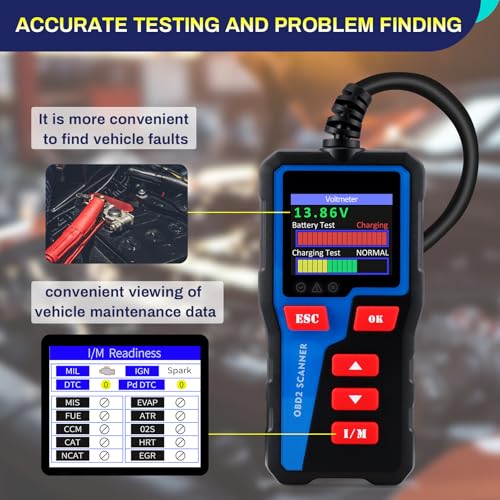
If you live in a state requiring emissions testing, this feature alone justifies the AT300’s price. The I/M Readiness function shows whether your vehicle’s emissions monitors have completed their self-check cycles—crucial information before heading to a smog check station.
We tested this extensively when helping a colleague prepare for inspection after replacing his battery. Battery disconnection resets all monitors, which can cause automatic smog check failures even if nothing’s wrong with the car. The AT300 showed exactly which monitors remained incomplete (in his case, the Catalyst and EVAP monitors), allowing him to complete the necessary drive cycles before testing rather than wasting time and money on a failed inspection.
Freeze Frame Data: The Diagnostic Time Machine
When a check engine light illuminates, your vehicle’s computer captures a “snapshot” of operating conditions at that exact moment—engine speed, load, temperature, and more. The AT300 retrieves this freeze frame data, which proves invaluable for diagnosing intermittent problems.
We encountered a perfect example with a 2011 Dodge Ram that threw a misfire code. The freeze frame revealed the fault occurred at 3,200 RPM under moderate load at 195°F coolant temperature. This specific information helped narrow the diagnosis to a faulty ignition coil that only failed under certain conditions—something we might have missed through traditional troubleshooting.
Code Clearing Function: Use with Caution and Understanding
The AT300 can erase trouble codes and reset the check engine light with a few button presses. We need to emphasize something critical here: clearing codes doesn’t fix problems. It simply erases the stored information. If the underlying issue persists, the light will return—sometimes within seconds, sometimes after several drive cycles.
That said, legitimate uses exist for this function. After completing repairs, you’ll want to clear codes and verify the light stays off. When dealing with pending codes from temporary issues (like a loose gas cap), clearing them makes sense once you’ve addressed the cause. We’ve also used it to reset monitors after repairs to confirm proper system operation.
The AT300 makes code clearing straightforward but doesn’t hide what you’re doing—it displays clear warnings that erasing codes removes valuable diagnostic information. This responsible approach sets it apart from tools that treat code clearing as a casual function.
Vehicle Information Retrieval: Know Your Car Inside Out


Related products
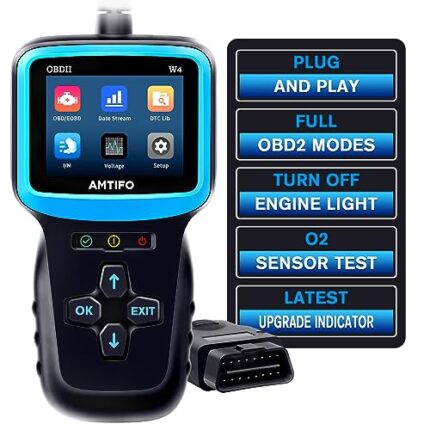

“AMTIFO OBD2 Scanner with Color Display, Code Reader, Real-Time Data”
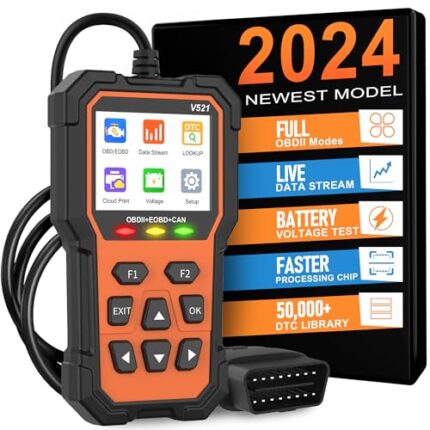



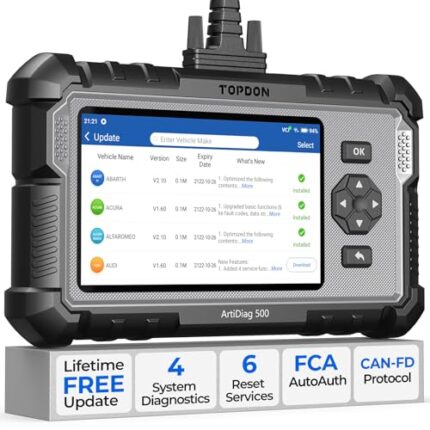
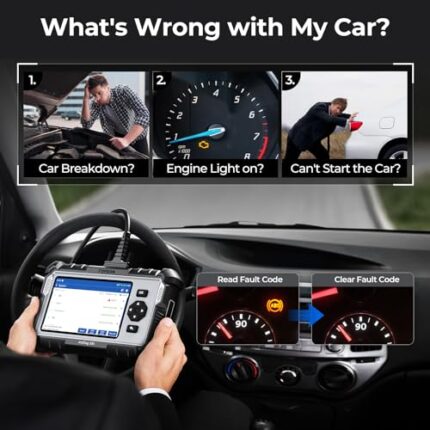
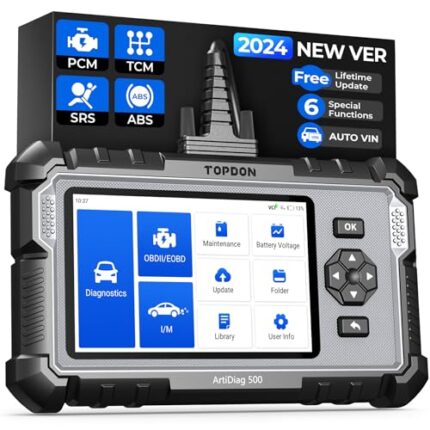
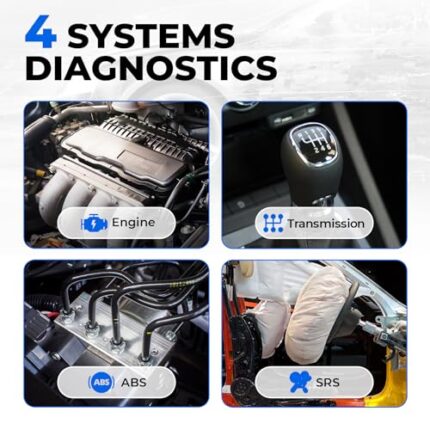
TOPDON AD500 OBD2 Scanner: All-System Diagnostics & Reset, Free Updates











Reviews
There are no reviews yet.